
Updated Design and Maintenance
LORTON VALLEY HOMEOWNERS ASSOCIATION, INC.
DESIGN and MAINTENANCE STANDARDS
September 2022
Table of Contents
Item Page
Table of Contents 2 – 4
Objectives 5
Authority 5-7
New Construction, Replacements and Improvements 7
Covenants Committee Overall Review Criteria 7-9
Amendments to the Design Standards 9-10
Applications 9-10
Application Review Procedures 11-12
Appeals of Covenants Decision 13
Approvals 13-14
Enforcement Procedures 14-15
Design Standards 16-37
Air Conditioners 16
Antennas 16
Arbors/Trellises 16
Attic Ventilators 16
Awnings 16-17
Barbecue Grills 17
Chimneys and Metal Flues 17
Clotheslines 17
Common Areas 17
Compost Bins 17
Decks 17-19
Dog Houses/Pet Structures 19
Dog Runs 19
Dog Management 19
Doors-Exterior 19
Doors-Storm 19-20
Driveways 20
Electronic Insect Traps 20
Exterior Decorative Objects and Flower Pots 20
Exterior Surfaces 20
Fences (Detached/Attached 21-22
Fire Pits/Firewood 22
Flagpoles 22-23
Garages 23
Garage Doors 23
Gazebos 23
Greenhouse/Screened Porches 23-24
Greenhouse Windows 24
Gutters 24 Heating (Outdoor) 24
Hoses 24
Hot Tubs/Spas 24
House Numbers 24
Landscaping/Vegetable Gardens 25
Lawn Furniture 26
Lighting 26
Mailboxes 26-27
Painting 27
Patios 27
Porches 27
Recreation and Play Equipment 27-29
Room additions/Sunrooms 29
Security Devices 29
Sidewalks and Pathways 29
Signs 29-30
Skylights 30
Solar Panels 30
Storage Bins 30
Storage Sheds 30-31
Storm Windows 31
Sun Control Devices 31-32
Swimming Pools 32
Trash/Recycling Containers 32-33
Tree/Shrub Removal/Replacement 33
Water Gardens 33
Window Treatments – Window Screens 33
Storage of Boats, Trailers, Campers,
Mobile Homes or Recreational Vehicles 33-34 General Lot Maintenance Standards 34-37
EXAMPLE APPLICATION FORM FOR EXTERIOR MODIFICATION 38-42
EXAMPLE – APPROVED FENCE STYLES – EXHIBITSA thru 43-46
EXAMPLE – APPROVED DECK RAIL STYLES – EXHIBITS E thru 47-49
LIST OF APPROVED TREES/SHRUBS WITH NONINVASIVE ROOT SYTEMS 50 REFERENCED VINYL SIDING COLOR PALETTE 51
OBJECTIVES
These Design and Maintenance Standards are intended to enhance and further develop the mutually beneficial covenants and restrictions established in the Declaration of Covenants, Conditions and Restrictions for Lorton Valley. The specific objectives of these Design and Maintenance Standards are:
- To increase homeowner’s awareness and understanding of the Covenants from which authority is granted to the Board of Directors for creating rules and use restrictions.
- To define and illustrate Community specific Design and Maintenance Standards, which will assist the Covenants Committee, Association Board of Directors, Management Staff, and homeowners to represent desired exterior alterations and improvements, which are consistent, size appropriate, and in harmony with the existing home, the immediate neighborhood and the community as a whole. NOTE: Unless specifically stated, all desired modifications MUST be pre-approved via the application process.
- To assist homeowners in preparing a complete and acceptable application to the Covenants Committee.
- To relate exterior improvements to Lorton Valley’s open spaces.
5. To ensure conformance with the proffered conditions accepted by the Board of Supervisors of Fairfax County in the approval of the original Re-zoning required to establish the Lorton Valley Community
AUTHORITY
The authority and responsibility for ensuring the maintenance of the quality and design of homes in Lorton Valley is founded in the Declaration, which is part of the deed to every lot in Lorton Valley. Upon purchase of your home you should have received several documents to include the Lorton Valley HOA Covenants and Design and Maintenance Standards. If you do not have these documents contact the HOA Management Company. They will pro-vide copies of all required HOA documents at cost. These document are also available on the Lorton Valley Website at LortonValley.com. If you are an absentee homeowner we rec-ommend you provide access (on line at the Lorton Valley website) to a copy of these standards to your tenant and ensure both parties agree on specific responsibilities. The overall intent of Covenant enforcement is to assure homeowners that the Standards of Design quality will be maintained consistently throughout the community. This, in turn, protects property values and enhances the overall community environment. Specific language follows:
Article VI, Section 6.2, Residential Design Guidelines and Review Process, specifically states:
“The Board of Directors shall establish an Architectural Review and Covenants Committee (ARCC), hereafter referred to as the “Covenants Committee”, comprised of three (3) or more members appointed by the Board of Directors. Members shall serve from one (1) to three (3) years, as determined by the Board of Directors, in order to assure the Property shall always be maintained in a manner: (a) providing visual harmony and soundness of repair; (b) avoiding activities deleterious to the aesthetic or property values of the Property; and, (c) promoting the general welfare and safety of the Owners, such Owners, tenants and such Owners’ (or tenants’) household, guests, employees, agents and invitees. Except for members’ who have been designated by the Declarant, the Board of Directors may remove members of the “Covenants Committee” with or without cause. Appointments to fill vacancies in unexpired terms shall be made in the same manner as the original appointment. If a vacancy shall occur, the remaining members of the “Covenants Committee” may continue to act until the vacancy has been filled. If the Board of Directors shall fail or are unable to appoint an Architectural Review and Covenants Committee, then the Board of Directors shall perform the du-ties of the “Covenants Committee” until one is formed.
Article VI. Section 6.1 and Article VII, Section 7.23 of the Declaration explicitly states that all exterior alterations require the submittal of an Architectural Modification Re-quest Form and approval of the “Covenants Committee” prior to work commencing.
Section 6.1 Development and Use of the Property.
“No building, fence, wall or other structure or improvement shall be commenced, erected, or maintained upon the Property, nor shall any exterior addition to or change or alteration therein be made (including change in color) until the plans and specifications showing the nature, kind, shape, heights, materials, and location of the same shall have been submitted to and approved in writing as to harmony of external design and location in relation to surrounding structures and topography by the Covenants Committee.”
Section 7.23 Swimming Pools.
“Swimming pools and hot tubs, either permanent or temporary, (except for small children’s wading pools) shall not be installed by anyone other than the Declarant or a Builder on any Lot without prior approval of the Covenants Committee.”
These two paragraphs specifically state that the Covenants Committee must approve any change, permanent or temporary, to the exterior appearance of one’s property, prior to that change taking place. Furthermore, once a plan is approved, it must be specifically followed or a modification must be approved in accordance with current Design and Maintenance Standards.
It is important to understand that Covenants Committee approval is not limited only to major alterations such as adding a fence or deck, but includes such items as changes in exterior color, changes to landscaping, flower garden borders (stone, brick, wood, etc.) removal of trees, modifications to materials, the installation of a storm door, etc.
Approval is also required when an existing item is removed.
Each application is reviewed on an individual basis. There are no “automatic” or administrative approvals, unless provided for specifically in these Design and Maintenance Standards. For example, a homeowner who wishes to construct a deck identical to one already approved by the Covenants Committee for a neighboring homeowner is still required to submit an application, which must be approved prior to the start of construction.
NEW CONSTRUCTION, REPLACEMENTS AND IMPROVEMENTS
These Design Standards apply to improvements contemplated by a homeowner to an existing home or lot.
New construction or replacement of homes or portions thereof must be of a comparable size, style and architecture as the adjacent homes; must use comparable construction materials as the adjacent homes; and must meet current Lorton Valley Homeowners Association, 9 De-sign Standards.
COVENANTS COMMITTEE OVERALL REVIEW CRITERIA
Role of the Architectural Review and Covenants Committee (ARCC):
By law, all homeowners at Lorton Valley are automatically members of the Lorton Valley Homeowners Association. The Association is a non-stock corporation which owns and is responsible for the upkeep and maintenance of all common properties within the community.
The Association is also responsible for the administration and enforcement of all covenants which are applicable to property owners, including design standards and restrictions.
The Declaration of Covenants, Conditions and Restrictions for the Lorton Valley Association provides that responsibility for the enforcement of design standards shall be exercised through an Architectural Review and Covenants Committee (ARCC) hereafter known as the Covenants Committee, the members of which shall be appointed by the Board of Directors of the Association. The ARCC is to consist of three or more persons appointed by the Board of Directors.
The Covenants Committee shall be responsible for enforcing the Association’s Design Standards with respect to exterior modifications to homes and lots proposed by lot owners. The Covenants Committee shall review and approve (or disapprove) applications submitted by lot owners for visible exterior additions, alterations or modifications to a home or lot. The review process shall be governed by the Design Standards promulgated by the Association’s Board of Directors. As part of its responsibilities, the Covenants Committee will make recommendations to the Board of Directors with respect to the modification of the Design Standards initially approved by the Board. The Covenants Committee will also be responsible for reviewing possible violations of the Association’s Design Standards.
The Covenants Committee evaluates all submissions on the individual merits of the application; including the consideration of the characteristics of the housing type and the individual site; since what may be an acceptable design in one specific instance may not be for another.
Design decisions made by the Covenants Committee in reviewing applications are not based on any individual’s personal opinion or taste. Judgements of acceptable design are based on the following criteria, which represent in more specific terms the general standards of the protective Covenants:
- Relation to the Lorton Valley Community Open Space – Fencing, in particular, can have a damaging effect on open space. Other factors, such as removal of trees, disruption of the natural topography and changes in rate or direction of storm water run-off, also adversely affects Lorton Valley’s open space.
- Validity of Concept – The basic idea must be sound and appropriate to its surroundings.
- Design Compatibility – The Proposed improvements must be compatible with the architectural characteristics of the applicant’s house, adjoining houses, and the neighborhood setting. Compatibility is defined as similarity in architectural style, quality of workmanship, use of like or similar building materials, color and construction details.
- Location and Impact on Neighbors – The proposed alteration should relate favorably to the landscape, the existing structure and the neighborhood. The primary concerns are access, view, sunlight, ventilation, and drainage. For example: fences may obstruct views, breezes, airflow or access to neighboring property; decks or larger additions may cause unwanted shadows on adjacent patios or infringe on a neighbor’s privacy and view. As another example: an inappropriate “clutter” of play equipment or an “ill-planned” landscape scheme may also affect existing neighbors.
- Scale – The size (in three dimensions) of the proposed alteration should relate well to the adjacent structures and its surroundings. For example: a large addition to a small house may be inappropriate.
- Color – Color may be used to soften or intensify visual impact. Parts of an addition that is similar in design to an existing house, such as roofs and trim shall match in color and composition.
- Materials – Continuity is established by use of the same or compatible materials as were used on the original structure. For instance: horizontal siding on the original home should be retained in an addition. On the other hand, an addition with horizontal siding may or may not be compatible with a brick house.
- Workmanship – Workmanship is another standard, which is applied to all exterior alterations. The quality of work should be equal to, or better than, that of the surrounding area. Poor practices, besides causing the owner problems, can be visually objectionable. The Lorton Valley Homeowners Association, Inc. assumes no responsibility for the safety or structural validity of new construction by virtue of an approved design. It is the responsibility of each applicant to obtain a Building Permit where required to comply with County, State and Federal building codes and regulations where required.
- Timing – Projects, which remain uncompleted for long periods of time, are visually objectionable and can be a nuisance and safety hazard for neighbors and the community. All applications must include an estimated completion date. If such time period is considered unreasonable, the Covenants Committee may disapprove the application. Projects must be commenced within six months of an approval; and completed within one year.
AMENDMENTS TO THE DESIGN STANDARDS
These Design Standards may be reviewed and amended from time to time by the Board of Directors. It is anticipated that changes may involve both clarification and/or substantive modification of the existing Design Standards. They may also be amended to reflect changed conditions or technology. Amendment procedures will involve a public review and comment period and subsequently adopted, as were the original Design Standards, by the Board of Directors.
APPLICATIONS
Applications for alteration or improvements to an individual home must be submitted on the approved Lorton Valley Homeowners Association, Inc. “Application for Exterior Modification” form. This form, available on the Lorton Valley website at: www.lortonvalley.com, requires specific information which will assist the Architectural Review and Covenants Committee (ARCC), hereafter referred to as the “Covenants Committee”, in reviewing plans for your proposed alteration or improvement. Required information is detailed below. Action on applications submitted without the required information will be delayed until all information is provided. The information required includes:
- DESCRIPTION – The application form requires a complete description of the alteration or improvement. This includes a complete listing of material to be used; overall dimensions – height, length, width, height above ground level, etc.; colors of the existing house, trim and roof colors; and colors of the proposed alteration or improvement.
- SITE PLAN/PLAT – A Site Plan is a scaled drawing of your lot (Plat) showing dimensions of the property, adjacent properties if applicable, and all existing improvements on your lot. You MUST draw your proposed improvement of this plat and provide it with your application. Enlargement of the original County registered plat drawing may be necessary to adequately present your planned modification. Contour lines may be required where drainage is a consideration and more complex applications may require larger scale (10 to 20 feet to the inch scale) engagements of the site plan of County approved development or site plans.
- DRAWINGS/PHOTOGRAPHS – Complete scaled drawings showing all dimensions, elevations and details of the proposed improvement or alteration are required. Drawings must clearly show the relation of the improvement or alteration to the existing home. Drawings which are unclear, slow the approval process, and may be re-turned to the applicant for clarification. Photographs, catalogue clippings or manufacturer’s “cut sheets” are acceptable for items such as lighting fixtures, storm doors, and other standard items.
- SIGNATURES – The applicant is required to sign the application form. In addition, the signatures of all adjoining or affected property owners are required on all applications. The signatures do not constitute approval or disapproval of the proposed project; rather they indicate that the adjoining property owners are aware that some from of alteration or improvement is contemplated. Applications received without signatures will be returned without review.
·CONSTRUCTION SCHEDULE – Applications must contain the proposed construction schedule indicating both a start date and completion date. All alterations or improvements MUST be commenced within 6 months and completed within 12 months of the approval.
APPLICATION REVIEW PROCEDURES
Yearly Meeting Calendar: The Lorton Valley HOA Architectural Review and Covenants Committee (ARCC), hereafter referred to as the “Covenants Committee”, will publish and distribute a yearly application review calendar no later than 15 December of the preceding year. This will ensure the schedule is in the hands of all homeowners before the first scheduled monthly meeting in January of the operating year.
General Guidelines: The Covenants Committee meets monthly at 7 PM at the Lorton Valley Community Center. The Covenants Committee may increase the frequency of their meetings when time and volume of applications dictate the need.
- Only properly completed Applications for Exterior Modifications received by the FirstService Residential Management ARC Team 5 days or more prior to the monthly meeting will be reviewed at that meeting.
- Applications that are incomplete or missing information will not be reviewed at the monthly meeting and will be returned to the applicant for correction and re-submittal. The time period for review shall not commence unless a completed application has been submitted and accepted.
- Applicants are encouraged to attend and discuss their application. Each applicant will be allotted 5 minutes to discuss their application and address any questions the committee may have.
- New applications not sent through the established channels to FirstService Residential Management will not be accepted at the monthly meeting. Adjustments to previously submitted applications will only be accepted during the monthly meeting if previously asked to do so by the Covenants Committee.
Importance of timely application submissions: The Covenants Committee will only review those applications that have been properly submitted and processed in accordance with these procedures and the published meeting calendar.
- All completed applications should be mailed, scanned and e-mailed, or hand delivered to the Lorton Valley Homeowners Association, at the below address, no later than one week prior to the monthly meeting.
- Applications received less than 5 working days prior to the monthly meeting will be made available for review during the following months scheduled review cycle.
Lorton Valley Homeowners Association, Inc.
c/o FirstService Residential, Inc.
3975 Fair Ridge Drive
Suite 210-S
Fairfax, VA 22033
E-mail:ARC.DCMETRO@fsresidential.com
Receipt, Accountability and Processing of Submitted Applications: The Lorton Valley Homeowners Association representatives at First Service Residential, Inc. will review each application for completeness:
- Any application found lacking in completeness by the Covenants Committee will be denied and immediately returned to the applicant with appropriate annotations as to what is missing or requires correction.
- Once determined to be acceptable by the FS Residential ARC Team the original will be scanned and forwarded, via e-mail, to each member of the Covenants Committee for review prior to the Covenants Committee Monthly meeting.
- The original will be mailed with a self-addressed return envelope for FirstService Residential Management, to the Covenants Committee Chairman to ensure official signatures of the members are obtained when approval is granted.
Review and Approval of Submitted Applications: The Lorton Valley Homeowners Association Covenants Committee will be responsible for the review and approval of submitted applications:
- The Covenants Committee has 45 days to render an initial decision on the completed application:
o The 45 days commences upon receipt and log in of the application by the FS Residential ARC Team.
o After Covenants Committee review and action, a Letter of Covenants Commit-tee decision will be mailed to each applicant at the address provided on the ap-plication.
- Once Covenant Committee action is taken, the original, with all signatures, will be re-turned to FS Residential, Inc., via the aforementioned self-addressed envelope:
o Letters of Approval will be sent by first class mail.
o Letters of Delay of Action will be sent by first class mail and will reference specific reasons for the delay and outline additional information required.
- Applicants have 15 days to respond with the requested information.
- Failure to respond in a timely and complete manner may result in significantdelays in obtaining approval.
o Letters of Denial will be sent by certified mail.
- Lettersof Denial will reference specific reasons for the denial and are always subject to appeal.
APPEALS OF COVENANT DECISION
An appeals procedure is in place for those affected by an adverse decision by the Covenants Committee who believe that:
- Proper procedures were not followed during the administration and review process.
- The applicant and any other affected homeowner attending the meeting were not given a fair hearing.
- The Covenants Committee was arbitrary, or did not have a rational basis for their decision.
To initiate the appeals procedures, the applicant MUST submit a written request for an ap-peal within ten (10) days of receiving the Covenants Committee decision of denial. Other affected homeowners or neighbors must submit written notice within ten (10) days after the Covenants Committee rendered its decision. The written request must be delivered to:
Lorton Valley Homeowners Association, Inc.
c/o FirstService Residential, Inc.
3975 Fair Ridge Drive Suite 210-S
Fairfax, VA 22033
E-mail:ARC.DCMETRO@fsresidential.com
Appeals Review and Public Hearing:
- The Board of Directors will review submitted appeals and shall conduct a hearing at the next Board meeting that is at least 10 days after receipt of the request for an ap-peal
- Appellants will be advised, in writing, as to time and place for each hearing.
- Appeals of Covenants Committee denials will not be heard by the Board of Directors unless all the above stipulations have been met.
APPROVALS
If the Covenants Committee approves an application, improvements shall be made strictly in accordance with the approved plans. All construction must begin within 6 months of approval and must be completed within 12 months of approval, unless otherwise allowed for by the Covenants Committee in writing.
The Covenants Committee’s approval of an application does not constitute certification that the proposed modification complies with local and state ordinances. Likewise, local or state permission does not constitute approval by the Association. It is the applicant’s responsibility to obtain all required permits and approvals from County and State authorities where required.
ENFORCEMENT PROCEDURES
The Declaration and Bylaws of the Association empower the Covenants Committee and the Board of Directors to enforce compliance with the Association’s Design Standards. The following enforcement procedures will be used to ensure compliance.
- A violation may be observed and reported to the Covenants Committee by a member of the Covenants Committee, the Board of Directors, the managing agent, or a homeowner. In the case of homeowners wishing to report a potential violation, a written notification should be transmitted to the Associations Board of Directors or managing agent.
- The alleged violation will be confirmed by a site visit by a member of the Covenants Committee or the managing agent, if necessary.
- If it is the Association’s determination that there exists a violation, the Covenants Committee will contact the owner in violation by letter advising them of the violation and re-questing appropriate action to remedy the violation. A notice will be sent by certified mail where the violation is deemed to involve an immediate emergency or where such violation, if not remedied, will increase or enhance with the passage of time. Note: Absentee homeowners are reminded that they are required to keep their mailing address current. Failure to do so may result in you not receiving vital correspondence in a timely manner. The HOA is required ONLY to mail official correspondence to your noted address of record. Returned mail is considered fulfilling the HOA responsibility. All actions taken by the HOA subsequent to completing the mailing cycle are considered valid.
- If the violation continues beyond the date established in the notification that the violation must be remedied, a second letter of citation will be sent to the owner via certified mail. This letter will provide notice that the violation must be remedied within a specified amount of time from the date of mailing of the letter (or alternatively, that the resident in violation must submit to the Covenants Committee a written plan, including timing, for the abatement of the violation within the stated period of time). The second notice of citation shall also advise the owner that the failure to bring the lot into compliance with the governing documents can subject the owner to monetary charges in the amount of $50.00 for a single offense or $10.00 a day for a period of up to ninety (90) days for a continuous offense. The Association may forego with a first notice of citation and proceed directly with a second notice where circumstances warrant.
- If the owner fails to comply with the directive in the second notice of hearing, then the Association shall inform the owner that monetary charges will be assessed against the owner, and of other enforcement action (such as the suspension of privileges for a period of up to 60 days). In such notice, the Association will provide the owner with a time period by which the owner can request a hearing before the Board of Directors regarding the violation. If the owner fails to request such a hearing within the time period, the owner will be deemed to have waived his or her right to a hearing.
- The above procedures do not preclude the Covenants Committee or the Board of Directors from taking accelerated measures in the case of a violation which constitutes an emergency situation provided that the resident in violation has been properly notified by certified mailing and that the action is consistent with the provisions of the Design Standards.
7. The above procedures do not apply to the failure of an owner to maintain their lot in good order and repair and free of debris at all times. All owners must maintain their lots in accordance with the general maintenance standards detailed on pages 34 thru 37 below. In the event of non-compliance with maintenance standards, the Board of Directors may, after ten (10) days written notice to the owner (or such shorter notice period as determined by the Board), authorize Association representatives to enter upon the owner’s lot and to perform any required maintenance at the expense of the owner. In the case of persons who fail to mow their lawn or have trash or debris visibly stored on their lot, (other than neatly stored construction materials for an approved improvement of the lot or home) the notice period shall be ten (10) days.
DESIGN STANDARDS
AIR CONDITIONERS/WINDOW FANS: Air conditioning units and/or window fans ex-tending from windows or protruding from the existing structure are prohibited. Additional exterior air conditioning units which are typically installed on a level pad on the ground, or mounted above ground on the side of the structure, or the relocation of existing units may be considered (requiring approval) so long as they are placed near existing units and do not have an adverse audible or visible impact on adjoining or open spaces.
ANTENNAS: Notice to the Association of antenna and/or satellite dish installation or planned installation is required prior to installation or no later than (seven) 7 days after installation for record-keeping and inspection purposes. Homes are limited to one (1) antenna or satellite per type of programming being received with a maximum of three (3) authorized. Antennas and satellite dishes with a diameter of one meter or less are permitted on the property. Satellite dishes in excess of one meter are not permitted. Dishes must be installed on the rear of the roof, below any ridge pole or peak. If an owner cannot receive an adequate signal at the preferred location, the owner shall notify the Association in writing certifying that an adequate signal cannot be achieved and informing the Association of the owner’s desired location (such as the front roof). Placement on deck railings, fences or ground mounting is prohibited. Transmission wires will be firmly affixed to the building.
ARBORS/TRELLISES: Arbors/trellises require approval. Arbors and trellises are decorative bars supported by vertical shafts for the purpose of supporting vines or hanging plants. Neither shall exceed 8 feet in height from ground or deck floor level, and shall not be enclosed to create a solid barrier. If attached to a deck, patio, or fence, the material and color must be the same. Generally accepted materials are wood, wood composite, vinyl, wrought iron, and aluminum. Arbors/trellises may be placed in the backyard with approval. Plastic or canvas tarps are not permitted on a permanent basis and should be taken down by the end of the event (day).
ATTIC VENTILATORS: Attic ventilators require notification (e-mail or letter) prior to installation. Attic ventilators may be considered when painted to match the color of the roof (if roof mounted) or the color of the house siding or trim (if mounted on a gable end). Ventilators must be mounted on the rear. Flush mounting is permitted. Turbine mounting is prohibited.
AWNINGS: Awnings require approval. In general, only retractable awnings will be considered on a case-by-case basis if demonstrated to be clearly compatible with the architectural design and qualities of the home.
If approved, awnings must meet the following criteria:
- Located in the rear yard as part of a deck or patio design.
- Solid colors, which are compatible with the color scheme of the house, should be used. o Color scheme of the home must be attached to the application.
- They should be consistent with the visual scale of the house to which attached.
- Structural supports for canvas awning (or similar material) should be painted to match the trim or dominate color of the house.
o If awnings are removed for winter storage, frames should be secured or removed to the extent possible.
BARBECUE GRILLS: Permanent grills require approval. Temporary grills and smokers do not require approval. Permanent grills will be considered on a case-by-case basis. Construction design, scale and materials of permanent grill areas must complement the existing house and lot. All permanent grills must be built and used on the ground level rear of the home. Temporary grills may be used in the front or back of the residence but must be stored out of site in the garage or rear of the home. They must be covered when not in use. To reduce the very real possibility of a structural fire care must be exercised when using/maintaining a grill on or under your raised deck to ensure adequate distance is maintained from main structure, railings and neighboring walls.
CHIMNEYS AND METAL FLUES: Homes built in Lorton Vally have been fully outfitted with gas fireplaces. Additional chimneys and flues are not allowed.
CLOTHESLINES: Clotheslines or similar apparatus for the exterior drying of clothes or bedding are prohibited. Refer to Section 7.13 of the Covenants Declaration Articles for additional information.
COMMON AREAS: Common Areas are the responsibility of the Association. Individual property owners shall not encroach upon or make alterations/improvements to any Common area, including open space, natural areas, any activity area, tot lot, streets, parking lots, lighting, street signs, mailboxes or any other Common Area elements.
COMPOST BINS: Compost bins require approval. Compost bins will be considered on a case-by-case basis for homes located on lots of one half acre or larger. If compost bin is de-sired, the use of a pre-manufactured compost bin, which is earth tone in color, is encouraged. Bins must be located to the rear of the property and must be fully screened from the street, open space and adjoining and affected neighbors. All active compost must be treated at all times to prevent odors from escaping. Failure to maintain a satisfactory compost bin and /or the point at which the compost becomes a public nuisance shall indicate an abandonment of the compost pile and violation of these Design Standards.
DECKS: Decks require approval by both Fairfax County and the Lorton Valley HOA. Many Lorton Valley town homes were originally built with decks that meet the requirements of Fairfax County, not necessarily this design standard. Decks provide for an extension of a home’s living space. Decks may be designed to include bench seating areas, overhead timbers, trellises or lattice work for shade, privacy and hanging plants, planter areas, and (hot tubs with appropriate scale privacy screening). When deck design schemes include other exterior changes, such as fencing, lights, plantings, etc., other appropriate sections of the Design Standards should be consulted prior to application with the Lorton Valley Covenants Committee. Also, Fairfax County Setback Requirements and Regulations must be referenced where appropriate, call 703-222-1082 for your specific location.
- Location: Decks shall generally be located in rear yards. Side yard locations may be considered when lot size or topography prohibits rear yard locations. In all cases, the view of adjacent and affected owners will be considered.
- Size and Scale: Deck size should be appropriate to the scale of the home as sited on the lot. Rear property line setbacks for deck construction projects must comply with Fairfax County standards and in special circumstances, as listed, more stringent Lor-ton Valley HOA standards. Special circumstances may include maintaining 6 ft. between houses, encroachment concerns, privacy issues, etc. Deck construction shall not cross over Building Restriction Lines (BRL) shown on individual site plans (plats).
- Under Deck Storage: Elevated decks include an under deck area which has a visual impact on adjacent and nearby areas. When using an under deck area for informal storage, the visual impact should be kept in mind. Storage must be maintained so as to present a neat, uncluttered appearance. Lattice or similar screening or landscaping will be required to screen stored items. (For storage containers, see Storage Sheds/ Bins).
- Material and Color: Materials should have natural qualities as do wood, brick, and stone or synthetic qualities as does Trex. Use of “Deck Helmet” Material/Paint is prohibited. Deck floors and railings shall be left a (one color tone) natural wood tone, beige, or grey. Natural wood supports can be left natural or painted white to match white decks. Any tones other than natural wood or white railings shall be a tone very similar to the house color to blend well. The use of a clear or transparent natural wood stain as a preservative is required for natural wood decks, railings and support beams.
- Railing and Post Details: Design of Post/Railing/Spindles for decks must be in accordance with samples provided in Exhibits E thru G on pages 47 thru 49. Starburst and Sunburst designs are prohibited. The maximum permissible railing height is 42 inches. Wood support posts must be a minimum of 4 inches by 4 inches.
- Stairs: When the use of stairs is desired, the Covenants Committee encourages , but does not require, the practice of interrupting the flight of stairs with a landing for both safety and appearance. Stairs, as well as tread and riser dimensions must meet Fairfax County building codes.
- Drainage: If changes in grade or other conditions, which will affect drainage, are anticipated, they must be indicated in the application, with drainage areas clearly shown on the site plan. Approval will be denied if adjoining properties are adversely affected by changes in drainage. Serious consideration should be given to making affected ground level surfaces of porous material (stone, crush rock, etc.) or to provide mulched beds sufficiently designed so as to capture runoff from the deck or patio areas.
DOG HOUSE/PET STRUCTURES: Outdoor Dog houses/Pet structures are prohibited.
DOG RUNS: Dog runs are prohibited, including “Invisible Fencing”. Note: “Dog Runs” are any area of an individuals’ yard that is fenced off thereby allowing a dog to run off-leash and unattended (i.e.; Dogs may not remain outside while residents are home or away.)
DOG MANAGEMENT: Dogs must be on a leash at all times. Unleashed dogs assumed un-der “Verbal or Hand Signal” control is not an acceptable form of Dog management in Lorton Valley. Dog owners and/or dog walkers, are responsible for cleaning up after their pet(s) and are advised to avoid encroaching on their neighbors’ property. Dogs must be kept quiet so that they do not create a nuisance for adjoining owners.
DOORS-EXTERIOR: Exterior door changes require approval.
- Single Family Homes: Front doors on single-family homes must be of a style and color compatible and complementary with the style of the home and the existing colors on the applicant’s home. New hardware shall be compatible with and complement that installed by the builder or, in case of electronic or combination lock style, must compliment the door exterior.
- Townhomes: Front doors on townhomes shall be of style originally installed by the builder. The color of the front doors should be compatible and complementary with the color of the applicant’s home and on adjacent homes. New hardware shall be compatible with, and complement that installed by the builder or, in case of electronic or combination lock style, must NOT detract from the door exterior.
- Sliding Doors: Sliding doors are permitted in the rear of the home only. Sliding doors must match the design on the original doors (e.g., minimum 10-glass panel French style).
DOORS-STORM Single Family and Townhomes: Storm doors require approval. Storm doors shall be full view, glass only-no screens….without significant decoration, ornamentation or edging. Storm doors shall match the color of the entrance door or the trim around the entrance door. Exceptions may be made depending upon the style of the front entrance and façade.
DRIVEWAYS: Driveways are an integral part of a home design. All Lorton Valley homes come with installed driveways that meet community design expectations. Extensions, modifications or additions to a driveway will not be considered. Driveways may not be used for parking inoperable, commercial, recreational or unused (stored) vehicles. Covered driveways are not permitted. Cracked, pitted, severely stained driveway slabs must be fully repaired and/or replaced.
ELECTRONIC INSECT TRAPS: Electronic insect traps do not require approval. Electronic insect traps will be regulated based on the same criteria as for exterior lighting. In addition, no device shall be installed or maintained in such a way as to cause discomfort to adjacent owners from noise, and may only be operated during those times when the immediate area protected by the trap is occupied by the owner or guests.
EXTERIOR DECORATIVE OBJECTS and FLOWER POTS: Exterior decorative objects shall not exceed a total of 12 items in the front and side yards, limited up to 32 inches in height and 24 inches in width or depth, including natural and man-made objects. They must be stored away during non growing season. Decorative objects (including flower pots/ planters) will be considered based on their size, color (neutral-earth tones), scale, number, appropriateness with the surrounding area, and their visual impact of adjoining lots and open spaces. Lawn ornaments such as fountains, large bird baths (exceeding 24 inches in diameter), etc., are not allowed. However, depending upon their size, ornaments may be allowed in a rear yard within the context of an approved landscape design. Decorative objects must be harmonious with the overall character and architectural style of Lorton Valley.
Exterior Holiday Decorations: Holiday decorations (e.g., Christmas, Thanksgiving, Ramadan, Easter, Chinese New Year, etc.) may be installed, and must be installed/removed, no more than thirty (30) days before/after such holiday.
Birthdays and Other Personal Celebrations: Decorations for birthdays and other personal celebrations are limited to five (5) days prior and five (5) days after the event.
EXTERIOR SURFACES: All exterior surface alterations require approval. Exterior materials and colors must be selected and approved to present a comparable architectural theme for the community. Any replacement roofing, siding, trim, brick, etc., must match the existing unless otherwise approved by the Covenants Committee. In the event a material or color is not available or if there is an interest in changing siding color to a more vibrant modern color the Covenants Committee (CC) may approve a similar alternate material and/or color per the referenced color palette located on page 51. Generally, painted surfaces may only be painted; stained surfaces may only be stained; and unstained surfaces (brick, stone, etc.) may only be replaced with like material and must be left unpainted or unstained. All exterior sur-faces (including siding, driveways, sidewalks, gutters, downspouts, etc.) must me periodically cleaned of mold, mildew., etc. Also refer to “PAINTING” page 26.
FENCES (Attached/Detached Homes): All fencing requires approval. Proper fencing can have a unifying effect upon a neighborhood. Improper fencing can detract from the appearance of a neighborhood. In all cases, fencing shall be constructed with the “finished” side facing out. Chain like fences will not be approved under any circumstances. Chain link fencing material may not be used for any purpose on a lot.
The location, design, height, material, detailing, and color of fencing shall match that of the home and approved standard. All fence tops shall be level and slope with grade. The bottom of the boards must be 2 inches from the ground to allow for drainage.
Detached Homes:
- Fencing Styles: Generally, the examples shown in Exhibits A through D on pages 43-46 are considered “preferred” styles as they are the most common and relatively easy/inexpensive to install. Style variance is allowable dependent on final design submittal. The maximum permitted fence height shall be 72 inches above grade with a minimum height requirement of 48 inches above grade.
- Materials and Colors: Fences shall be constructed of natural woods or composite materials. Wood property line fencing shall be left a natural wood tone or may be pained white. The use of a clear or transparent natural wood stain as a preservative is required.
- Location: Fences shall be restricted to the rear yard except in areas where originally designed or anticipated as a neighborhood feature by the builder or developer. This means fences must be attached to the rear corner of the home and may extend to the side yard and then proceed back to the rear property lines, making sure no easements or saved areas are violated. Consideration for variances to the rear yard location requirement may be given because of the topography and citing of the applicant’s house in relation to adjacent houses; rear yard size; and the desire to enclose builder-installed side entry door areas. In no case, when such a variance is granted, may a fence be installed within 12 feet of any front corner of a structure. The only exception to this requirement will be in the cases where a fence may be located close to the front corner when required by County ordinances as a connecting link. Fencing may NOT encroach on adjacent property.
- Other Materials and Colors: Where security is desired, metal landscape mesh (defined as a light or medium gauge mesh with square or rectangular openings – usually factory collated with a brown, black or green vinyl) may be used on the inside of a fence. Chicken wire, chain link material will not be permitted except as otherwise permitted by Section 7.14 of the Covenants Declaration Articles.
- Fences Around a Swimming Pool: Lots in Lorton Valley are not of sufficient size to accommodate a swimming pool.
- Invisible Fencing: Refer to: DOGHOUSE/PET STRUCTURES.
Attached Homes
- Fence Style and Height: The fence style and height shall match that installed by each builder and shall be consistent within each Section. Generally, the examples shown in Exhibits A thru D on pages 43 thru 46 are considered “preferred” styles as they are the most common and relatively easy/inexpensive to install.
- Fence Location: Fencing shall be restricted to rear yard locations. The height of the fence should be compatible with any partial fencing installed by the builder, no greater than 72 inches. End unit town homes may request a variance for a side yard fence location. When such a variance is granted, in no case may a fence be installed within 12 feet of any corner of the house. The only exception to this requirement will be in the cases where a fence may be located closer to the front corner when required by County ordinance as a connecting link.
- Decorative Toppers: Decorative toppers are restricted to the Suffolk Topper style (See Exhibit “E”, page 46) as long as the height requirement is met. A preservative must be used to prevent objectionable weathering or “graying”.
FIREPITS/FIREWOOD: Portable Fire Pits are allowed. They must be monitored at all times when in use. Storage in the garage or rear of the home when not in use. Firewood does not require approval. Firewood shall be kept neatly stacked and shall be located in the rear of the property in such a manner as to avoid adverse visual impact for adjoining properties or open space. The use of brightly colored tarps will not be permitted. Where such a cover is required, the color shall be muted brown or tan and shall be securely affixed to the woodpile. Long-term uncovered storage of firewood is prohibited. [Note: Prolonged storage of fire-wood attracts pest species such as ants, termites, and mice].
FLAGPOLES: Temporary flagpoles do not require approval. Temporary flagpole staffs cannot exceed six feet in length and must be attached at an incline to the house or dwelling unit.
A special occasion/holiday decorator flag (yard or garden flag) is limited to one flag. Flags should be in good condition. No frayed ends, faded colors, etc.
Refer to Sections 7.17 and 7.26 of the Covenants Declaration Articles for information concerning flags. Permanent, freestanding flagpoles are prohibited.
GARAGES:
Garage Use: Garages may not be converted to living or home office space, used for extensive storage, or extensive/major car repairs. In general, a two-car garage shall have enough space to park two vehicles in the garage. Refer to Section 7.16 of the Covenants Declaration Articles for additional information. Garages may NOT be used for extensive car repairs, operating a car repair business, or for storage of equipment and materials generally used for home repairs or the operation of a business. Using a garage as an obvious pet confinement area (leaving garage doors partially open with or without screening) is not permitted.
Garage Doors: All Lorton Valley homes are equipped with approved Garage doors. Garage doors must remain consistent with the style and color installed by the builder. Garage doors should be left in a fully closed position when not in use.
GAZEBOS/CANOPIES: Gazebos/CANOPIES require approval.
- Size and Scale: Gazebos/Canopies are allowed on single family home property only. No Townhomes. Gazebos/canopies shall be appropriate to the size of the home as sited on the lot. They must meet Fairfax County minimum setback requirements and should not be constructed across Building Restriction Lines (BRL) shown on the individual plat or site plan.
- Location and Style: Gazebos shall be located in the rear yard. Particular attention will be given so that views from adjoining and adjacent lots are not adversely impacted. (The Covenants Committee will determine adjoining and adjacent lots at the time of application.)
- Materials and Color: When of permanent construction, Gazebos shall be constructed of wood and must be painted to match the trim of the home or in white. When incorporated with a deck, the gazebo must match the color of the deck railing. Roof material shall be the same as that of the existing home. Screen material must be dark nylon or aluminum type. Tent style temporary screened Canopies are also authorized provided they are the proper size for the area in which it is erected. (The Covenants Committee will determine size compatibility at time of application).
GREENHOUSES/SCREENED PORCHES/DECKS: Greenhouses/Screened Porches / Decks require approval. Greenhouses will be reviewed as room additions, with special attention given to visibility of interior activities.
- Location: Greenhouses and screened porches/decks shall be located on the rear of the house or lot.
- Size and Scale: Greenhouses and screened porches/decks should be appropriate to the scale of the home as sited on the lot. They must meet Fairfax County minimum setback requirements and should not be constructed across Building Restriction Lines (BRL) as shown on the individual plats or site plans.
Material and Color: Greenhouses shall be a glass enclosure. Screened porches/decks should match the existing house in materials and color, except that they may also be constructed of finished natural woods. Screened porches/decks shall be constructed with black or dark bronze screen color. The use of a shed type roof is prohibited. In all cases, the screened porch/deck roof must be shingled to match the existing house.
GREENHOUSE WINDOWS: Greenhouse Windows require approval. Greenhouse windows may be installed on the rear area of a home so long as the color and materials in the window match those in the existing house.
GUTTERS/DOWNSPOUTS: Gutters and downspouts are mandatory and exist currently on all homes. Extensions of downspouts at ground level are discouraged because of drainage considerations on adjoining properties and open spaces. All downspout extensions must be buried in such a manner to adequately manage runoff, according to current engineering practices and local codes. They must be cleared of debris periodically.
HEATING (OUTDOOR): Portable outdoor heating devices require no approval. Caution is advised when using such items.
HOSES: Hoses do not require approval. All hoses and related equipment must be stored out of view or properly stored in, or on, a hose hanger when not in use.
HOT TUBS/SPAS: Hot tubs/Spas require approval. Exterior hot tubs or spas must be located in the rear yard adjacent to the dwelling unit. The incorporation of hot tubs as an architectural feature of decks and/or patios is encouraged. The exterior finish of an elevated hot tub should blend with the exterior finish of the home, deck or patio to which attached or most closely related. Landscaping or other proper screening will be required.
HOUSE NUMBERS: House numbers require approval. All Lorton Valley Homes were originally provided house numbers (addresses) upon completion of construction. House numbers shall match or compliment existing house numbers. House numbers should be legible, and be a size and color appropriate for the applicant’s house.
LANDSCAPING/VEGETABLE GARDENS: Landscaping/Vegetable Gardens require approval. All approved materials can be replaced in the same locations with the same materials (same plant type and same height at maturity) without approval.
An application is required when plant materials are planted as hedges, fence, barriers, or screens, or which meet or exceed (either at installation or at maturity) 36 inches in height. Hedges and the like will only be considered for rear and side yard (not extending forward to the front plane of the home into the front yard) installations. An application is also required when the use of landscape timbers or stone is contemplated, and timbers or stones will meet or exceed twelve (12) inches in height. The tops of such retaining or decorative walls must be level and step down to accommodate grade changes necessary to avoid final height conflict with opening of car doors. Retaining or decorative walls must not adversely impact drainage and may require landscaping to soften the visual impact.
Sand, rocks, bricks, timber, mulch and similar materials may be used as design elements but should not dominate the landscape design. Monolithic paving or covering front or side yards or portions thereof with gravel, stones, pebbles as the principle design element will not be permitted without HOA approval.
- Location: Care should be exercised in the planting and maintenance of trees and shrubs to prevent obstruction of sight lines required for vehicular and pedestrian traffic, as well as to preserve views of open space areas. Hence, shade and branch patterns of larger trees should be carefully considered.
- Scale: Care must be exercised in selecting plant material, which, upon maturity, will be an appropriate size in height and breadth for the intended location. Mature size, in height and diameter, should always be considered especially when planting close to walkways and houses. Consideration will be given to the effect planting will have on views from neighboring lots.
- Trees should be clustered rather than widely spread. A three-dimensional appearance of planting is improved by augmenting trees and taller shrubs with low spreading shrubs and/or ground cover.
Vegetable Gardens: Vegetable gardens are allowed All vegetable gardens shall be neat-ly maintained throughout the growing season; including removal of all unused stakes, trellises, weeds and dead growth.
- Location: All vegetable gardens must be confined to the rear of the property, out of view of adjacent and nearby streets. The view of adjacent and nearby residents must be considered when planning a garden. Gardens may not be installed on Association open space.
- Runoff: Gardens should not be planted on a grade exceeding a ratio of 5 feet to 100 feet; runoff patterns should be considered prior to installation and care must be taken to prevent damage to property below it through the flow of water onto lower property, including common areas.
• Size: Vegetable gardens shall not exceed 120 square feet (10 feet by 12 feet area).
Note: No artificial plants of any kind may be used in outdoor landscaping designs.
LAWN FURNITURE: Lawn furniture does not require approval. The use of interior furniture on patios, decks, porches, and in yards is prohibited. Furniture left outdoors must be kept in good repair. Outdoor furniture must be of a scale and style, which does not detract from the appearance of the area. Plastic furniture is allowed in the front or side of the home provided it is removed after daily use..
LIGHTING: All existing exterior lighting MUST be kept in operating condition. Post lamps must come on during hours of darkness. All new or alternate exterior lighting requires approval. Replacement of existing exterior lighting does not require approval as long as the fixture and color match that as originally installed. In the event a fixture or color is not available, the Covenants Committee may approve a similar alternate fixture and/or color.
Applications for exterior lighting should include wattage, height of the light fixture above ground, and a complete description of the light fixture and its proposed location on the property.
Individual property light fixtures including post lights must match or be compatible with the fixtures originally installed by the builder. Exterior lighting (flood lighting, motion sensors, entrance lighting, etc.) shall not be directed outside the applicant’s property. All rear yard security lighting should be provided with wall-mounted decorative fixtures (with or without motion detectors).
Light sources must be a “white” light, incandescent or LED light. High-pressure sodium (yellow-orange) lights are prohibited. Flashing lights of any color are prohibited.
Non-flashing landscape lighting located along a walkway or among shrubbery is allowed so long as it does not detract from the aesthetics or overwhelm the overall lighting appearance of the home and property. A maximum of 10 lights are permitted. They are not counted as “Exterior Decorative Objects and Flower Pots” described above. Allowed lighting colors are white or soft yellow.
MAIL BOXES: Single family home individual mailboxes are to be maintained as installed by the Builder without modification. The mailbox style and color in Lorton Valley was selected to create a unifying appearance in the community. For replacement and installation information, the P34 Brandon Industries model mailbox is the currently approved mailbox available online or any local mailbox supply store. Mail Box numbers shall be white, or black on white, vinyl decals 1 1/2 “ to 2” in height also available online or at or local mail-box supply store.
Townhome Gang Mailboxes are maintained by the HOA and Post Office. From time to time these mailboxes will be replaced and/or repainted/repaired with coordination between the HOA, Post Office and affected homeowners.
SIDING/PAINTING: Changes in exterior material and/or color require approval. An application is required for re-painting or re-staining a specific object either to match its original color or complement the current siding and/or trim color. Color changes apply not only to the house siding, but also to the doors, shutters, trim, roofing and other appurtenant structures (decks, railings, etc.). Change of exterior vinyl siding color for both single-family and town homes should relate to and complement the colors of the houses in the immediate area. Siding may be replaced with other more vibrant colors per the referenced color pallet located at Page 51 or replaced with original builder-applied color. That change must still complement the homes in the adjacent area. Also refer to “EXTERIOR SURFACES” page 13.
PATIOS: Patios require approval. Patios provide a means for ground level extension of indoor space with less visual impact than elevated decks. Patios will be located in the rear and/or side yard and should be installed within County setback required limits, and not across Building Restriction Lines (BRL). Patios may be constructed of wood, concrete, brick, landscape slate, or flagstone.
When patio design schemes include other exterior changes, such as fencing, lights, planting, etc., other appropriate sections of the Design Standards should be consulted prior to application. For walls, see Landscape.
PORCHES: See “GREENHOUSE/SCREENED PORCHES/DECKS”, page 15.
RECREATION AND PLAY EQUIPMENT: Permanent recreation and play equipment, including but not limited to play houses, swings, climbing equipment, large trampolines (a size that is intended for multiple persons use) etc. require approval. Temporary recreation and play equipment does not require approval. Creatively designed play equipment is encouraged. These standards are provided in an effort to reconcile the need for play equipment with the goal of minimizing its visual impact. Careful thought should be given to location and kinds of equipment to be installed since neighborhood facilities will be of a larger scale and have greater usage. Permanent play equipment such as playhouses, swings, and climbing equipment must be made of wood with natural color tones to blend with the natural surroundings or to compliment the home.
Location and Site: Permanent and temporary play equipment, including but not limited to play houses, swings, climbing equipment, trampolines, etc., must be placed in rear yard in such a location where it has a minimal impact on adjoining lots and is not visible from the adjacent or nearby street. Consideration will be given to lot size, equipment size and design, amount of visual screening proposed or required, etc. Permanent play equipment located in an unfenced backyard must be located within 5 feet of outside property line.
Play equipment within a fenced backyard does NOT require approval.
- Permanently mounted basketball backboards of any type are prohibited in Lorton Valley.
- Temporary/Portable basketball poles, with backboards and hoops are permitted on single family home lots of 70’ width or greater. Certain restrictions will apply. Affected neighbors on either side of the desired backboard location must be in agreement. ALL BACKBOARDS MUST BE REGISTERED AND APPROVED BY THE HOA PRIOR TO USE. Approvals last for a period of three (3) years. After which they must be renewed to allow for input of new neighbors. The equipment must be located on the side of the driveway such that loose balls from missed shots fall into the yard of the applicant, rather than in the yard or onto vehicles owned by an adjacent neighbor. Strong consideration will be given to the configuration (significant slope, etc.) of the driveway and the proximity of the equipment to the street thereby causing the potential for traffic/pedestrian accidents. No play lines may be painted on the driveway. Basketball play is limited to day-light hours per Fairfax County regulations. No artificial lighting is permitted. Street play is prohibited unless the backboard can be placed safely, with the approval of a simple majority of all neighbors, at the end of a cul de sac or a turn-around. Homeowners are responsible for monitoring.
- In addition to the restriction on Permanent Backboards, Temporary/Portable basketball poles, with backboards and hoops are NOT permitted on town home properties. Street play is also prohibited unless the backboard can be placed safely, with the approval of a simple majority of all neighbors, at the end of a cul de sac or a turn-around. ALL BACK-BOARDS MUST BE REGISTERED AND APPROVED WITH THE HOA PRIOR TO USE. Approvals last for a period of three (3) years. After which they must be renewed to allow for input of new neighbors. Signatures of all neighbors are required to certify that they have been notified of the backboard. No play lines may be painted on the street. Basketball play is limited to daylight hours. No artificial lighting is permitted. The pole, backboard and hoop (and net) must be maintained in good condition to remain out during the season. Homeowners are responsible for monitoring.
- Play is permitted between March 15 and November 15 each year.
Note: This does not include adjustable plastic basketball backboards that cannot extend be-yond 6’ in height typically used for children under the age of 10 years old. These require no application or approval. They must be placed in the driveway, garage or back patio area and removed daily as indicated below.
- Temporary/Portable Play Equipment: Including plastic play houses, small sliding boards, and sand boxes, does not require an application, but are restricted to the rear yard and stored out of sight when not in use for extended periods. Consideration must be given to the visual impact of adjacent and nearby residents when using such equipment.
ROOMADDITIONS/SUNROOMS: Require approval.
Room additions are those which substantially alter the existing structure and become as an original fixture of the existing home.
- Location: The location of major alterations should not impair views or the amount of sunlight and natural ventilation on adjacent properties. Room additions and garages must meet Fairfax County setback requirements and my not be constructed across Building Restriction Lines (BRL).
- Design and Materials: The design of room additions or sunrooms should be the same or compatible in design, scale, materials, and color with the applicant’s house and adjacent houses. Roof pitches must match or be compatible with the roof slope on the applicant’s existing house. Roofing materials must match that of the existing house; siding must match existing siding in color, material, size, and style. Windows and doors must match those used in the existing house, and should be located in a manner which relates well to the location of exterior other windows and doors in the existing house.
If changes in grade or other conditions, which will affect drainage, are anticipated, they must be indicated. Generally, approval will be denied if adjoining properties are adversely affected by changes in drainage.
- Colors: The colors of all such improvements must match the colors used on the existing house.
SECURITY DEVICES: Security devices require approval. Any security equipment including cameras, fixtures and conduits shall be designed, located and installed so as to be an integral part of the architecture of the building and not detract from its design and appearance. Barred or ornate metal security or grilles are prohibited.
SIDEWALKS AND PATHWAYS: Sidewalks and pathways require approval. The installation of sidewalks or pathways on a lot will be considered if they are appropriate for the intended use and are appropriate to the size and scale of the lot. Stone, concrete, slate, flagstone or brick pavers would be appropriate materials. Pathways and sidewalks must be set back from any VDOT rights of way and out of any easement.
SIGNS: No signs may be posted on any lots or on any community street sign, other than one real estate sign listing a property for sale., or a security sign posted within 10 feet to the immediate left or right of, and/or extending 2 feet forward of the front and rear entrance of a home. Signs, either temporary or permanent, advertising products or services, whether provided by the homeowner or others; announcing events; or signs denouncing another person, place, entity or thing; are prohibited. Only one sign advertising a property for sale may be displayed in the front yard of the available property. Such signs must meet applicable County regulations with respect to size, content and removal. Additional placement of bandit and directional signs are prohibited in the community. Also refer to Sections 7.17 and 7.26 of the Covenants Declaration Articles for information concerning signs.
SKYLIGHTS: Skylights require approval. Skylights may be mounted on a rear roof location, parallel with the roof plane. Bubble or elevated types of skylights are not permitted. The glass or surface material should be clear or dark tinted. White tinted material is note permitted.
SOLAR PANELS: Solar panels on roofs of individual homes may be permitted on an individual basis. Note: The HOA periodically reviews this existing policy with an eye towards allowing limited installation on roofs with appropriate exposure to the sun from the rear of the home, and when the solar power industry has met State mandates.
STORAGE BINS: Exterior storage bins require approval. Storage bins must match or compliment the existing house in color and design and located in the rear yard. Combinations of storage bins may not exceed 1/3 of the width of the home and may require screening. Generally, storage bins shall be no greater than 4 feet in height and 3 feet in depth. Consideration for variances to the size requirement may be given due to locations where visibility is minimal (e.g. underneath a deck) from adjacent neighbors and nearby streets. With Covenants Committee approval, the single level homes (Quads) only may place a storage bin or small trash and/or recycle cans on their front porch, to store trash/garbage until trash day.
STORAGE SHEDS – Storage sheds require approval. The structure and the location are considered on a case-by-case basis. Any storage shed has an aesthetic impact on neighboring lots. Inconsiderately placed or poorly designed sheds can visually and functionally negate an otherwise desirable residential area. Therefore, it is important to remember in choosing and locating a shed that there are needs other than storage, which must be considered.
Shed Design Criteria:
- The shed should be designed to appear as part of the house, the fence (in the case of a town home), or may be part of a gazebo, deck or other outdoor improvement. The materials and color of the shed match that of the improvement to which it is attached.
- No metal sheds, or barn-type sheds will be permitted. Prefabricated sheds may be approved provided they are of a size compatible with the property, and of the same or similar color.
- Sheds have been placed into two categories based upon the shed’s relationship to the house.
o Type 1:Attached to the House.
- Design: The architectural design of the shed should be compatible with the de-sign of the house, i.e. solid/dependable materials, same colors scheme, appropriate roof pitch, similar detailing.
- Materials: The materials used for the shed must be the same as the exterior finish of the house unless an appropriate pre-fabricated shed is installed.
- Color: The color scheme must be the same or very similar as that on the house.
- Roof: The roof slope and the type and color of the roofing material (shingles, etc.) must be consistent with those of the house.
o Type 2: Integral with Fence.
In town homes, sheds may be designed as an integral part of fencing; either solid or semi-transparent fence type is required. The architectural design of the shed must be compatible with the design of the fence, whether the fence is existing or to be built with the shed.
- Materials: The finished material of the shed should be the same as the finished material on the fence; except that roof shingles should match the existing house unless an appropriate pre-fabricated shed is installed.
- Height: The height of the shed may not exceed the height of the fence to which it is an integral part.
STORM WINDOWS: Storm windows are not permitted. Existing window technology precludes the need for installation of separate storm windows.
SUN CONTROL DEVICES: Sun control devices require approval. The manner in which sun control is implemented can have a significant affect on the exterior appearance of a house and the desirable benefits of sun exposure in the winter, fall and spring. Materials are available for application on the inside of windows to reduce thermal transmission and glare; however, no shiny surfaces may be visible to the exterior of the home. These materials may provide effective and economical alternatives to awnings and trellises. Effective sun control can often be provided by such simple measures as planting deciduous trees to shade windows from undesired sun exposure.
- Sun control devices should be compatible with the design character of the house in terms of style, color and materials.
- Awnings. Refer to “AWNINGS”, page 10.
- Location: The location of any awning or trellis may not adversely affect views, light, winter sun or natural ventilation of adjacent properties. Awnings or trellises must be located in the rear yard and incorporated into a deck or patio design.
- Material and Color: Solid earth tone colors are permitted. Trellis work should match the trim or dominant color or the applicant’s home, or be constructed of natural woods. Pipe frames and mechanical devices for awnings should be painted to match trim or dominant color or the house. If awnings are removed for winter storage, frames should be secured or removed to the extent possible.
SWIMMING POOLS: Large in-ground or above ground swimming pools are not permitted. Lorton Valley amenities are designed to provide swimming opportunities for all residents through association facilities. Furthermore, lots in Lorton Valley are not of a sufficient size to accommodate a swimming pool. Temporary summer wading pools are permitted. They may not exceed six (6) feet in diameter and one (1) foot in height and do not require application, but must be used in the rear yard, emptied and removed from view on a daily basis.
Also refer to Section 7.23 of the Covenants Declaration Articles for information concerning pools.
TRASH/RECYCLING CONTAINERS: Trash/recycling containers are required but do not require approval. These items are normally provided by the Trash Collection Company under contract with Lorton Valley. Trash cans and recycling containers must be stored in the garage or back yard, out of view of the street or adjoining properties at all times, except on scheduled pickup days. Note: Single Family or end unit Town Home trash/recycling cans may be stored to the side of the home provided they are completely screened, out of view of the street by bushes or small screening fence maintained in good condition.
- Containers should be placed out at curbside very early in the morning on pick up days or after dark the evening before.
- Screened areas for trash and recycling container storage may be incorporated into a deck design.
- All trash MUST be disposed of in appropriate trash “bags”. No loose trash/garbage shall be thrown out.
- No “garbage” bags should be placed on the curb outside a trash container at any time. This prevents animals tearing them open.
- Yard waste must be placed in paper yard waste bags or plastic bin table “Yard Waste” and placed curbside according to County requirements.
- Throwing garbage (bags), etc. into the surrounding wooded area is prohibited. · All bags must be tied and boxes, etc. must be secured so as not to blow away.
- Home owners/tenants are ultimately responsible for blown trash/garbage or debris that is not secured.
- Trash/recycling containers MUST be cleaned, with soap and water, periodically (Recommended monthly at a minimum) to preclude harsh and offensive odors and/or the spread of disease.
Also refer to Section 7.21 of the Covenants Declaration Articles for information.
TREE/SHRUB REMOVAL/REPLACEMENT: Tree/shrub removal and/or replacement requires approval: No live deciduous or evergreen trees/shrubs may be removed/replaced without specific approval from the Board unless there is imminent danger to people or prop-erty (apparent danger of falling). Immediate notification of emergency removal must be made to HOA Management. Absolutely no common area tree/shrub is to be removed by other than HOA Management. Also refer to Section 7.18 of the Covenants Declaration Articles for information concerning trees. (Note: Refer to the list of APPROVED TREES/SHRUBS WITH NONINVASIVE ROOT SYTEMS found on page 50 when considering replacement of a tree or shrub). No fruit bearing trees are permitted.
WATER GARDENS: Water gardens are not allowed.
WINDOW TREATMENTS/SCREENS: Unless otherwise approved in writing by the LVHOA Board, all windows on a dwelling which are intended to be operable shall have window treatments (i.e., screens), and any portion thereof visible from outside the dwelling shall be white or off white in color. All window treatments shall be in good repair. No missing blind louvers or torn/ripped drapery. No other materials and or objects may be placed in the window as window coverings (i.e., paper, boxes, tin foil, etc.).
STORAGE OF BOATS, TRAILERS, CAMPERS, MOBILE HOMES OR RECRE-ATIONAL VEHICLES
No recreational vehicle may be parked or stored in open view of residential property, residential streets, open space, or any common area. Further, the Board of Directors has defined “recreational vehicle” as follows:
- Any boat or boat trailer, canoe, kayak, jon-boat, paddle boat, jet ski, sailboats, catamarans, rafts or inflatables and the like.
- Any motor home or other self-contained camper.
- Any camper slip-ons where the camper backs are 12 inches or higher than the roof line of the cab of the truck.
- Any mobile home, trailer, fifth-wheel trailer or horse trailer.
- Any pop-up camper/tent, trailer or other similar recreation oriented portable or trans-portable facility or conveyance.
- Any other vehicle not defined above which could normally or regularly be used for daily transportation, including dune buggies or non-operative automobile collections or other automotive equipment not licensed for use of the highways of Virginia.
The following vehicles shall be treated in the same manner as recreational vehicles:
- Any vehicle or trailer that is included in a State Code or County Ordinance as being defined as commercial, except that a normal passenger vehicle used for commercial purposes but not modified for commercial purposes may be permitted on a case-by-case basis. (For example: A passenger vehicle, a pick-up truck not exceeding ½ ton, or a passenger van-used also for commercial purposes and having no name of the business, etc. written on it may be permitted. Any vehicle described above having exterior equipment/ladder racks, compartments, fixed boxes or the like will not be permitted.)
- Any private or public school or church bus.
Motorized vehicles, other than Association owned and operated vehicles, are not permitted on the trails and common areas within the community.
GENERAL LOT MAINTENANCE STANDARDS
Property ownership, regardless of owner occupancy or rental property, includes the responsibility for maintenance of the lot and all improvements constructed as part of the property. This includes, but is not limited to: items such as proper care (i.e., fertilizing, watering, re-moving dog feces) and mowing of grass, removal of weeds, clover, etc., trash and structural maintenance. Proper and consistent maintenance affects the visual character and economic value of the property and neighborhood and, in some cases, safety.
Exterior Appearance — Residents are responsible for maintaining the exterior of their dwellings and any other structures on their lots, such as decks, fences, sheds and playground type of equipment. The following represent some (but not all) of the conditions which the Covenants Committee considers a violation which may require major repair or replacement:
- Peeling paint, cracked or falling caulking, etc. 2. Cracked or broken siding.
- Recreation equipment which is either broken or in need of repair. 4. Guttering in need of cleaning, painting, repair or replacement.
- Fences with broken or missing parts, which are leaning, and/or weathered in appearance and in need of pressure cleaning and resealing. Note: Pressure cleaning and re-sealing with clear sealant is generally necessary every two to three years.
- Sheds with broken doors or in need of painting or repair.
- Decks in need of repair (e.g., cracked/peeling paint, rotting wood, loose boards, and/ or in need of pressure cleaning and resealing. Note: Pressure cleaning and resealing with clear sealant is generally necessary every two to three years.
- Concrete or masonry block foundations and/or party walls in need of repainting.
- Lot clutter (e.g. excessive toys, yard equipment, dog feces, etc.). Includes backyard clutter.
10.Concrete driveways cracked, stained, mildewed or displaced by tree roots.
11.Non-functioning “Post” style and/or exterior wall mounted exterior lighting fixtures.
Most residents should not allow any of the above conditions to exist as they seek to preserve and protect the investment in their homes and to limit their personal liability by keeping their lots in good condition. The Association expects all owners and/or residents to perform the necessary maintenance and upkeep voluntarily to prevent any of the cited conditions from occurring in Lorton Valley.
Mowing – Grass (turf) areas must be mowed at regular intervals, maintaining a maximum height of 6”, and a minimum height of 3”. Note: Clover, bare soil, and weeds are NOT acceptable forms of ground cover in Lorton Valley in both front and back yard areas. Pet waste MUST be removed immediately to ensure a healthy lawn.
Planting Beds – Gardens and planting beds must be kept in a neat and orderly manner, free of weeds and debris. Excessive run-off must be addressed by properly installed drainage and use of garden boxes, or other garden border materials. Shrubs shall not be allowed to exceed 36” in height. All existing gardens (planting beds) MUST be maintained as such. Watering of flowers and shrubbery is essential to presenting a neat appearance. Mulch must be used on all flower beds, shrubs and trees. It must be refreshed yearly and maintained free of weeds.
Tree Maintenance – All lots were originally landscaped with, at a minimum, a tree located in a front yard flowerbed. All trees should be kept pruned so that dead or dangerous limbs do not cause damage to property or injury to persons should they fall. Suckers and low hanging branches should be regularly removed. No more than 25% of a tree shall be pruned yearly. Limbs or Branches situated or hanging less than 60” inches to ground level shall be completely removed. Follow guidelines available on the Community website at “Information for HOA Living” for proper pruning.
Note: Older Trees previously planted adjacent to sidewalks, driveways and home foundations should be checked regularly for effects of root encroachment as evidenced by cracking/ dislodging/buckling of concrete slabs. They may also become diseased or too large for safety reasons. Removal/replacement of offending tree and roots, and replacement of the concrete slab, when applicable, will be required. Replacement trees or bush must be a minimum of 8’ in height when planted and should be limited to 20’ in height when fully grown.
Lawn Watering – Grass must be maintained green and healthy during the growing season. Watering is required during extended dry periods, typically once a week if there has been no significant rainfall. For trees, water flowing from a hose at a slow medium rate, should be applied to a tree mulch ring for about 30 minutes at a time, about once or twice per week. This should wet the soil to the depth of between 4” and 6”. This usually requires the equivalent of ½” to 1” of rainfall. Consult your nursery professional.
Lawn and Garden Fertilization – All soil should be tested before fertilizer is added, especially in areas where drainage will flow into waterways and ponds. Special care should be taken not to over-fertilize lawns and gardens when there is the least chance of run-off. Soil test kits are typically available free of charge from the County libraries or County Extension office.
Trash Removal – Each lot owner is responsible for keeping all trash secured in containers designed for such trash storage. Trash containers MUST be stored in garages or otherwise out of view of adjoining lots, common areas, and adjacent and nearby streets. See Trash/Re-cycling Containers, page 33. Trash may be placed out for pick-up after dusk the evening prior to scheduled pick up or early in the morning of scheduled pick up. Emptied trash containers should be removed from public view as soon as possible after pick up and in no case should they remain in public view the evening of a scheduled pick up.
Each resident is responsible for picking up litter on his own lot and preventing wind-blown debris from originating on his lot. Each resident is reminded that dumping debris and yard waste into County storm drains is illegal.
At no time is the Association common areas and roadways (i.e., Common Areas) to be used as personal space or as a dumping ground for any debris. Organic debris such as leaves, grass clippings and branches may not be dumped on open space. These materials take many years to decompose, clog our drainage system, and do not create good habitat for wildlife. Yard waste is required to be recycled according to County specifications.
Removal of accumulated trash and debris from Association common areas and roadways will be completed as necessary. Removal of trash and debris costs the Association dollars and voluntary resident and neighborhood clean-up, in addition to controlling the litter at the source saves the Association resources.
Pesticides and Herbicides – Pesticides and herbicides may be applied according to label instructions for a specified problem. Emphasis should be placed on organic/biodegradable materials in order to ensure the least harm to the natural environment. Care in application is extremely important along ponds and waterways, near neighborhood play areas and tot lots, and near adjacent residences. Avoid the use of pesticides and herbicides if at all possible, but when necessary, use with caution and follow manufacturer’s instructions.
Snow Removal – Residents are required to clear snow and ice from their own driveway and from the sidewalks in front of or adjacent to their homes. Sand should be used as an abrasive when necessary. The use of any rock salt or any other deicing salts or chlorides, which cause deterioration to concrete, brick or mortar surfaces, should be avoided.
Note: To avoid repetitive violations and potential fines, residents finding it difficult (i.e., too busy, not a gardener, etc.) to maintain their gardens, lawn and lot as specified in these standards are encouraged to acquire the services of a qualified landscaper.
Lorton Valley Homeowners Association Application for Exterior Modification
Version 2022
Name: ___________________________________
Email: ___________________________________
Phone (W): ___________________
Phone (H): ___________________
Property Address:__________________________________________________________________
Builder: __________________________________________________ (e.g. Ryan Homes)
Proposed Improvement (1 project per application):
______________________________________________________________________
Style: ________________________
Dimensions: ___________________
Color: ________________________________
Materials: _____________________________
Location (e.g., side of home, rear of home): __________________________________________________________________________
________________________________________________________________________ _____________________________________________________________________
Schedule (Estimated Completion Date): __________________________________________________________________________
Other details (i.e. color scheme of the home; deck, fence, etc):
____________________________________________________________________________ __________________________________________________________________________ __________________________________________________________________________ _________________________________________________________________
Attachments:
Drawings, sketches, photographs, colored pictures of the proposed improvement
Legible Plat plan (survey) of your lot indicating where the proposed improvement(s) is to be installed Signatures of Affected Neighbors (those adjacent to your lot on all sides) are required for notification purposes only, however without signatures the application may be delayed for review:
Printed Name ____________________________ Signature ______________________ Lot # ______________________
Printed Name ____________________________ Signature ______________________ Lot # ______________________
Printed Name ____________________________ Signature ______________________ Lot # ______________________
Printed Name ____________________________ Signature ______________________ Lot # ______________________
Printed Name ____________________________ Signature ______________________ Lot # ______________________
I hereby certify that the information I have provided is accurate to the best of my knowledge. I further certify that, once approved, I shall construct the proposed improvement according to the approved plans, schedule, and specifications. Permission is hereby granted to members of the Lorton Valley Homeowners Association Covenants Committee, and its representatives, to enter on my property as necessary to review the proposed project.
Owners’ Acknowledgments (Please initial each box):
I/we understand and agree:
- _____ that approval by the Architectural and Covenants Control Committee shall in no way be construed as to pass judgment on the correctness of the location, structural design, suitability of water flow or drainage, location of utilities, or other qualities of the proposed change being reviewed.
- _____ that approval by the Architectural and Covenants Control Committee shall in no way be construed as to pass judgment on whether the proposed change being reviewed is in compliance with the applicable building and zoning codes of the county in which the property is located. Likewise, local or state approval does not constitute ACCC approval.
- _____ that approval of any particular plans and specifications or design shall not be construed as a waiver of the right of the Architectural and Covenants Control Committee to disapprove such plans and specifications, or any elements or features thereof, in the event such plans are subsequently submitted for use in any other instance.
- _____ that no work on the proposed change shall begin until written approval of the Architectural and Covenants Control Committee has been received by me; that, if work is begun prior to approval, I may be required to return the property to its former condition at my own expense if this application is disapproved wholly or in part; and I may be required to pay all legal expenses incurred.
- _____ that there shall be no deviations from the plans, specifications, and location approved by the Architectural and Covenants Control Committee without prior written consent of the Architectural Control Committee; any variation from the original application must be resubmitted for approval.
- _____ that I authorize members of the Architectural and Covenants Control Committee or managing agent to enter upon my Property to make one or more routine inspection(s).
- _____ that construction or alterations in accordance with the approved plans and specifications must commence within 6 months of the approved date of this application and be completed within 12 months of the approved date, otherwise the approval by the Architectural ReviewCommittee shall be deemed conclusively to have lapsed and to have been with-drawn.
- _____ that it is my responsibility and obligation to obtain all required building permits and to construct the improvements in a workmanlike manner in conformance with all applicable building and zoning codes.
- _____ that I am responsible for any damage and all costs to repair green space or community property that result from the proposed modification.
Owner/Applicant Signature _______________________________________ Date__________ Co-Owner/Applicant Signature_____________________________________ Date__________
Required Attachments: Descriptive information (typically plans and specifications, including sketches, photos, catalog illustrations, etc. showing the nature, kind, shape, color, dimensions, materials, and a copy of the survey with the location marked).
Please list Attachments:
Owner Signature: ______________________________________
Date:_________________________
Mailing Address:____________________________________________________ (If different from Property Address)
Please Return To:
Covenants Committee
Lorton Valley Home owners Association, Inc.
c/o First Service Residential, Inc.
3975 Fair Ridge Drive
Suite 210-S
Fairfax, VA 22033
E-mail:ARC.DCMETRO@fsresidential.com
(Office Use Only)
LORTON VALLEY HOME OWNERS ASSOCIATION, INC. RESPONSE TO DESIGN REVIEW APPLICATION
Date Action Taken:
Application Approved: Y N
Application Disapproved: Y N (See comments below)
Delay of Action (Additional Information Requested)
…………………………………………………………………………….
Date Reconsidered:
Application Approved: Y N
Application Disapproved: Y N (See comments below)
Stipulations and Conditions:
- All exterior modifications must meet the requirements of the Fairfax County Zoning/ Building codes.
- All exterior modifications must meet Fairfax County minimum setback specifications and may not be constructed across Building Restriction Lines (BRL) shown on individual site plans (plats).
- All exterior modifications must meet the requirements of the Lorton Valley Homeowners Association Design and Maintenance Standards.
- The proposed improvement must be constructed according to the approved plans, sched-ule (commenced within 6 months and completed within 12 months of the approval), and specifications.
Comments: __________________________________________________________________
__________________________________________________________________
______________________________________________________________________
Date:
______________________
Printed Name of Covenant Committee Member
______________________
Signature of Covenant Committee Member
EXAMPLE FENCE STYLES – EXHIBITS A thru D
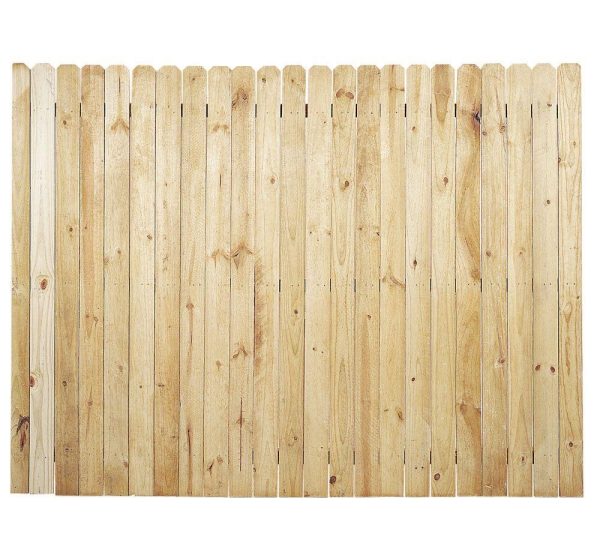
EXHIBIT A
TRADITIONAL BOARD ON BOARD FENCE
(Style Adjustments-Arched top, Inverted top, etc., wood or PVC/Composite will be considerd)
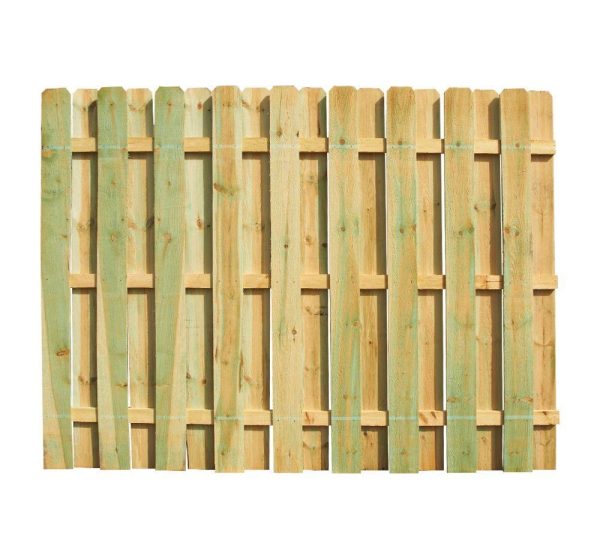
EXHIBIT B
TRADITIONAL SHADOW BOX FENCE
(Style Adjustments – Arched top, Inverted top, etc., wood or PVC/Composite will be considered)
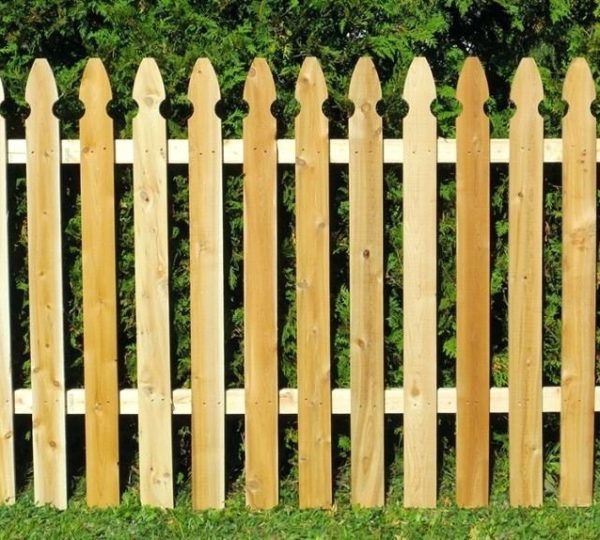
EXHIBIT C
TRADITIONAL PICKET FENCE
(Style Adjustments – Arched top, Inverted top, etc., wood or PVC/Composite will be considered)
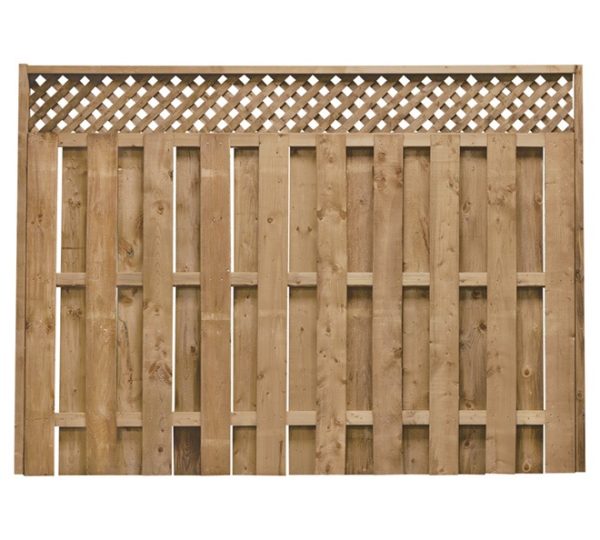
EXHIBIT D
TRADITIONAL SHADOWBOX FENCE WITH
SUFFOLK TOPPER
(No other style adjustments, except wood or PVC/Composite, will be considered)
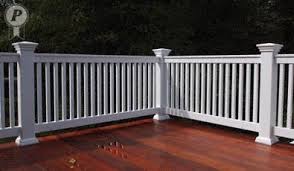
EXHIBIT E
TRADITIONAL DECK POST/RAIL DESIGN
(BUILT WITH EITHER WOOD, PVC or COMPOSITE)
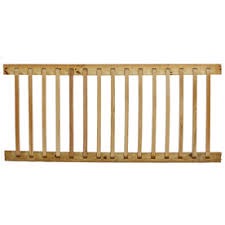
EXHIBIT F
SIMPLE DECK DESIGN WITH EXPOSED SPINDLES
(BUILT WITH EITHER WOOD PVC or COMPOSITE)
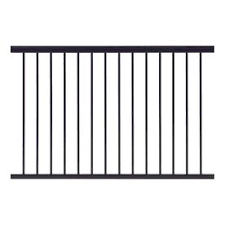
EXHIBIT G
WOODEN RAIL/POST W/METAL SPINDLES DESIGN
APPROVED TREES/SHRUBS WITH NON-INVASIVE ROOT SYTEMS
SHADE TREES WITH SMALL ROOT SYSTEMS (ZONES 3, 4, 5, 6, 7, 8, 9)
◦ Amur maple (zones 3-8): A small shade tree with fiery red fall color
◦ American hornbeam (zones 3-9): A birch tree that’s native to Chicago and grows
well in shady landscapes.
◦ Trident maple (zone 5-8): A slow-growing shade tree that’s ideal for patios or curb-side locations and tolerates a wide variety of soil types.
◦ Chinese pistache (zones 6-9): A mid-size plant with dark green leaves and small
flowers that grows well in drought conditions.
◦ Southern sugar maple (zones 7-9): A short-spreading maple tree with yellow fall
color and clusters of small hanging flowers
SHRUBS AND CURBSIDE TREES WITH NON-INVASIVE ROOTS (ZONES 3, 4, 5,
6, 7, 8, 9)
◦ Crape myrtle (zones 3-8): A brilliant pink, red or white flower tree commonly found
in the South – which can be grown as a small curbside tree or large shrub.
◦ Skyrocket juniper (zones 4-9): A tall, skinny evergreen with blue-green foliage that’s
low-maintenance and tolerant of hot and cold climates.
◦ Japanese maple (zones 5-8): A popular scarlet-red maple that will grow in shade or
sunlight and is ideal for a patio or curbside location.
◦ Hollywood juniper (zones 5-9): A fast-growing evergreen shrub that is tolerant of
salt, drought, wind and cold.
Note: Virginia is in Zone 7
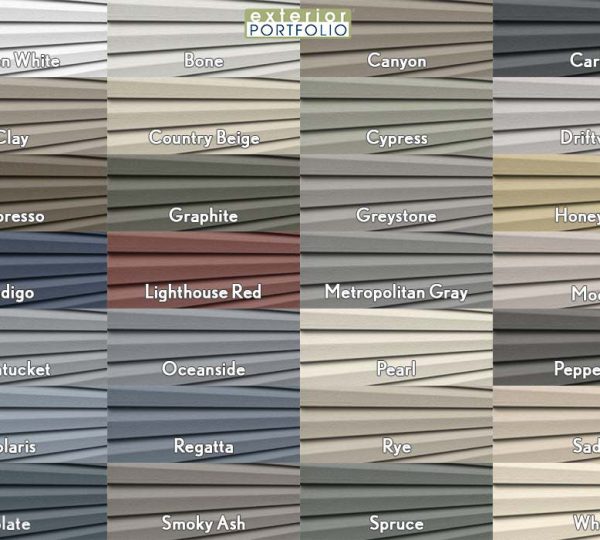
REFERENCED VINYL SIDING COLOR PALETTE